

15 Apr The Coastal Signal Struggle: Why Your TV Fails in Blackpool & Lytham
Living on the Fylde Coast comes with undeniable perks: the sea breeze, the iconic views, and a unique local culture. However, for your home’s digital infrastructure, the seaside environment is one of the harshest in the UK. Whether you are in a seafront apartment in Blackpool or a Victorian semi in Lytham St Annes, you have likely experienced “pixelation” or total signal loss during a storm. This isn’t just bad luck; it’s a direct result of our geographical location.
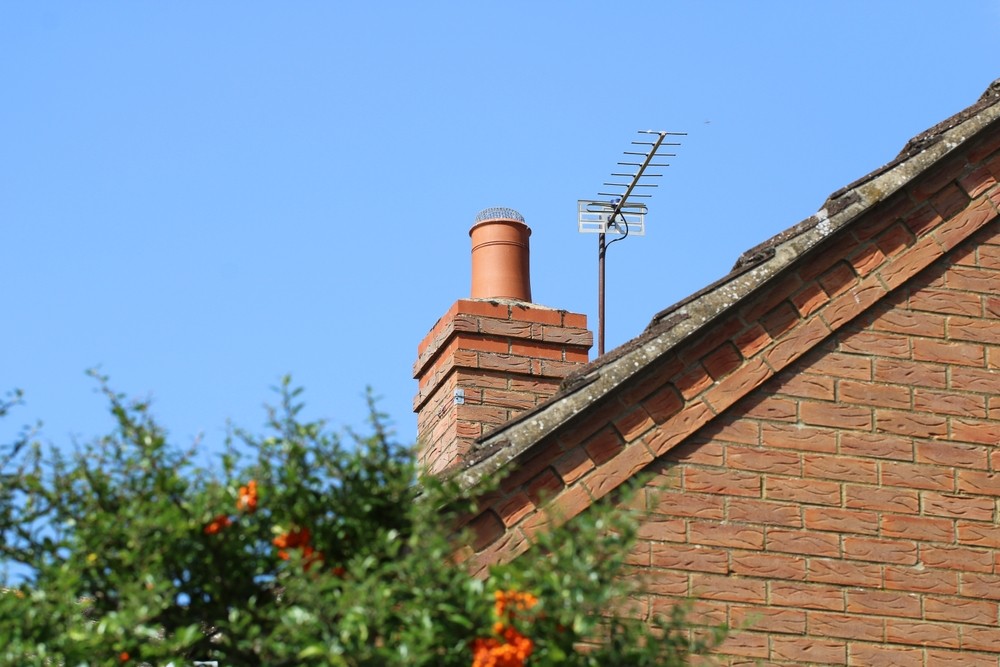
The Silent Killer: Salt-Air Corrosion The primary culprit for failing TV signals in coastal towns is salt-spray atomization. When the wind blows off the Irish Sea, it carries microscopic salt particles. These particles settle on your aerial’s aluminum elements and, more dangerously, inside the “balun” (the small box where the cable connects to the aerial). Salt is highly corrosive; it eats away at the metal connections and causes “oxidization.” This creates a barrier that prevents the electrical signal from traveling down the wire.
At Fylde Aerials, we often see “water tracking,” where salt-heavy moisture enters a degraded cable and actually travels down the inside of the wire, sometimes reaching the back of the TV itself. To combat this, we recommend high-quality, double-shielded WF100 coaxial cable and specialized “high-gain” aerials that are built to withstand salt-heavy air.
The Wind Tunnel Effect The Fylde Coast is essentially a giant wind tunnel. Standard satellite dishes act like sails; during a typical North West gale, a dish that isn’t secured with heavy-duty “K-mount” brackets will eventually nudge out of alignment. Because digital signals (like Sky or Freesat) are “all or nothing,” even a 2-millimeter shift in the dish’s position can result in a “No Signal” message on your screen. In this region, a “standard” installation often isn’t enough—you need reinforced mounting to ensure the dish stays locked on target during the winter months.
4G and 5G Interference It’s not just the weather; it’s the technology. With the rollout of 5G mobile masts across Blackpool and Preston, many residents find their TV signal “glitching” even on sunny days. This is because mobile frequencies often sit very close to TV frequencies. A professional engineer can install an LTE filter that acts as a “bouncer,” letting the TV signals through while blocking out the noise from nearby mobile masts.
Why Professional Alignment Matters You might be tempted to “have a go” at realigning your own dish or aerial, but modern digital signals require precision that the human eye can’t detect. We use spectrum analyzers to find the “Sweet Spot” of the signal, ensuring your TV has enough “headroom” to stay clear even when the weather turns. If your TV is stuttering, don’t wait for the next big storm to fix it—preventative maintenance is always cheaper than an emergency repair.
Jake4514
Posted at 08:30h, 22 Aprilhttps://shorturl.fm/bOa4k
geoffrey broadbent
Posted at 08:12h, 27 Aprilmy tv goes funny every morning at the same time it is not the airals they are high gian